“The secret of getting started is breaking your complex, overwhelming tasks into small manageable tasks, and then starting on the first one.” – Author Unknown
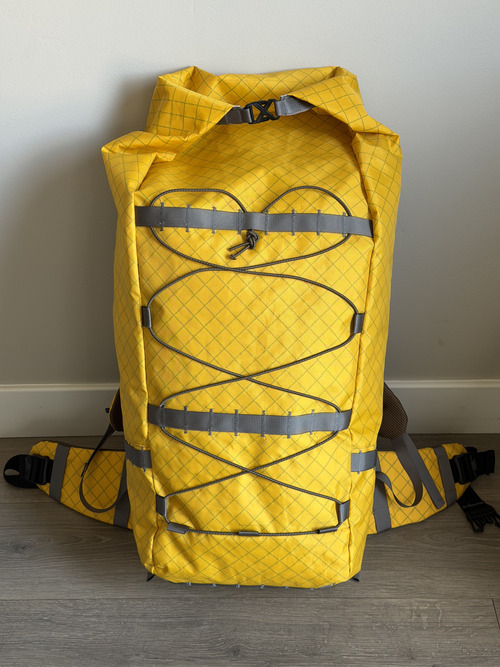
I knew making a larger backpack was going to involve taking the principles I learned from my first pack (here, here, and here) and the concepts from the lumbar pack (here and here), and putting everything together to make a 40–50L bag with a hip belt, load lifters, and all the features I’d want in a pack of this style — all while avoiding a pack that could potentially injure me.
In 2022, during a trip to Oregon, I had to make an emergency purchase of a hip pack because my body could not tolerate even the slightest compression on my trapezius muscle. I would get instant muscle spasms and a terrible tension headache that left me incapacitated. That’s what motivated me to make my first pack in March of 2023. The wider straps that sat more toward my acromioclavicular (AC) joint mostly solved the tension headaches and pain. However, by that point my blood was already clotting too much, something I wouldn’t find out about until February 2024. I made the hip packs in March of 2025 as a reward for the hard year of work it took to be able to hike again after my clot diagnosis. Not wanting to put any pressure on my major veins, I stuck with the lumbar pack. Now that I’m definitely able to hike again and want to take on longer, harder trails, I need a pack that can keep up with me and my adventures.
The outline for my blog posts is as follows. This post is all about fit. I’ll follow up with posts about the hip belt, straps, frame, and finally the bag as a whole. It’ll probably take me all summer to write these posts, so hopefully your inbox won’t feel overwhelmed with backpack content!
Scientific Study of Backpack Fitting
There’s a researcher, Nenta Wako, who has done rigorous study into how heavy packs fit and how to avoid injury. I appreciate being able to learn from their work on YouTube, and I’m grateful that translation apps exist, since much of it is written in Japanese. Full disclosure: most of this post is a resynthesis of Nenta Wako’s work as I viewed it on YouTube.
Pain and the Body
The body’s ability to process and perceive pain is complex and depends on many factors. Researchers now believe the best way to manage pain is to reduce or stop it as soon as possible. The longer pain is allowed to persist, the harder it becomes to treat. When it comes to wearing heavy packs, pain is most likely when:
- The pack is more than 15–20% of your body weight
- The weight distribution is not optimized. The pack hangs too low and doesn’t sit close to the body
- The straps are too narrow, sit too close to the neck, and don’t lay flat against the body
- The hip/waist belt is unable to offload some of the weight
Bruising and Soreness
The most common injury is skin and muscle soreness and bruising, which can happen when you have a heavy amount of pressure being focused on one particular part of the body. The amount of pressure it takes before an individual will show signs of trauma (bruising, bleeding, etc.) and report pain will vary from person to person. However, the goal of any backpack should be to minimize the physical injury and resulting pain no matter who you are and what your pain tolerance might be for that moment.
Thoracic Outlet Syndrome
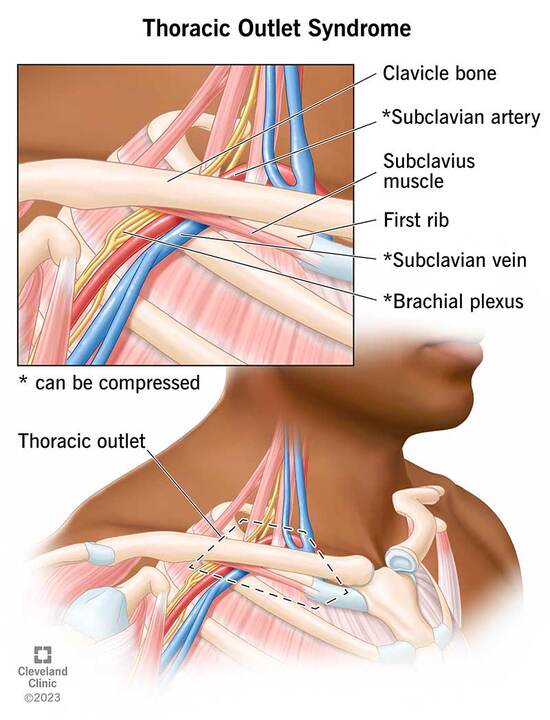
Let’s talk about a more serious issue that can come from a poorly fitting backpack. Thoracic outlet syndrome (TOS) is a condition where nerves, arteries, or veins become compressed in the space between the collarbone and the first rib. When a pack’s weight isn’t distributed correctly because it either doesn’t fit right or isn’t packed optimally, the straps can put unnecessary pressure on the collarbone. Collarbone bruising is very common! In rare cases, constant strap pressure in that region can lead to TOS.
TOS is a particular concern for me as a clot survivor. If left untreated, it can lead to blood clots. I also have no interest in compressing nerves, which can cause severe pain, numbness, or tingling in the neck, shoulder, arm, or fingers.
Locations of Pain
Physical injury and pain typically come from two places on a pack: the shoulder straps and the hip belt. The shoulders and the hips are what hold or have to carry the heavy loads, so it is important to fit the shoulder straps and hip belt as best as we can. That isn’t to say you can’t have issues with hot spots and rubbing with other parts of the bag.
Backpack Straps
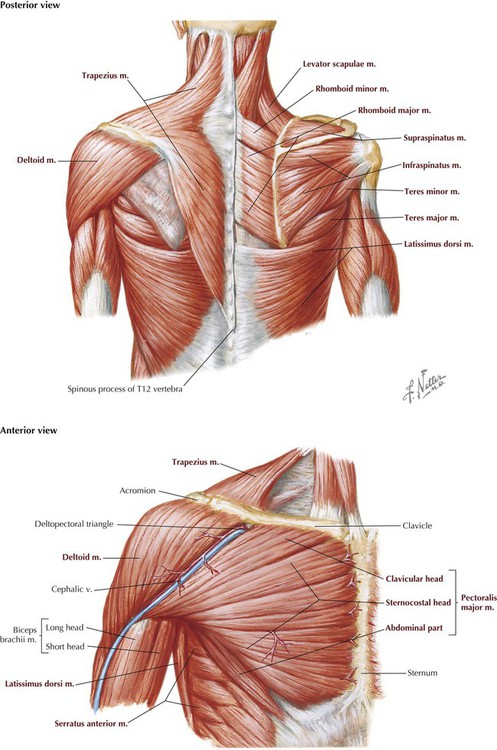
The belly of the trapezius muscle, the thicker, fleshier middle portion, is actually more vulnerable to compression injury than the outer shoulder area near the AC joint. Sustained compression on that muscle causes real tissue damage, leading to soreness and bruising. It’s recommended that the strap sit closer to the AC joint, away from the neck and away from the softest part of the trapezius.
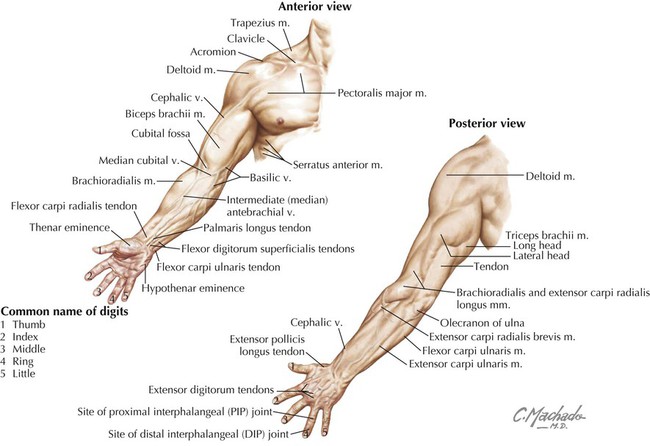
The trapezius can also go into chronic spasm trying to protect itself, which leads to referred pain up into the neck and head. In other words, you’ll end up with soreness and bruises on your shoulders, knots and trigger points in your neck and back, and a splitting headache. So even if you have a strong, thick neck from daily Iron Neck training, a poorly fitting pack can still cause real pain if it irritates the trapezius. The takeaway:
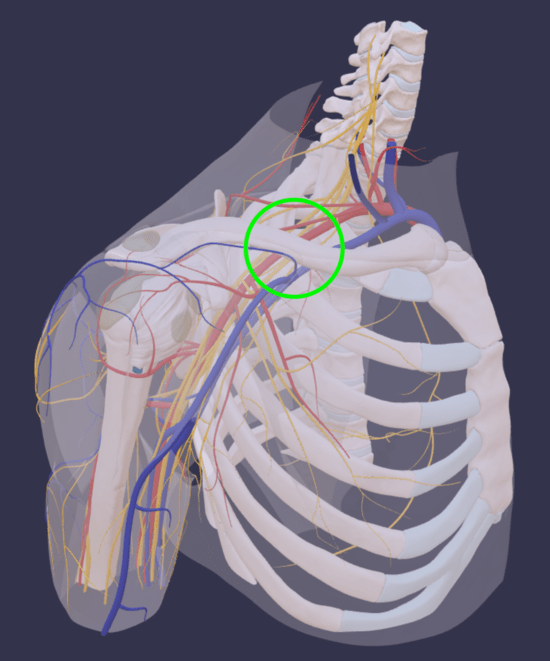
Bad: Straps near your nerves, veins, and arteries
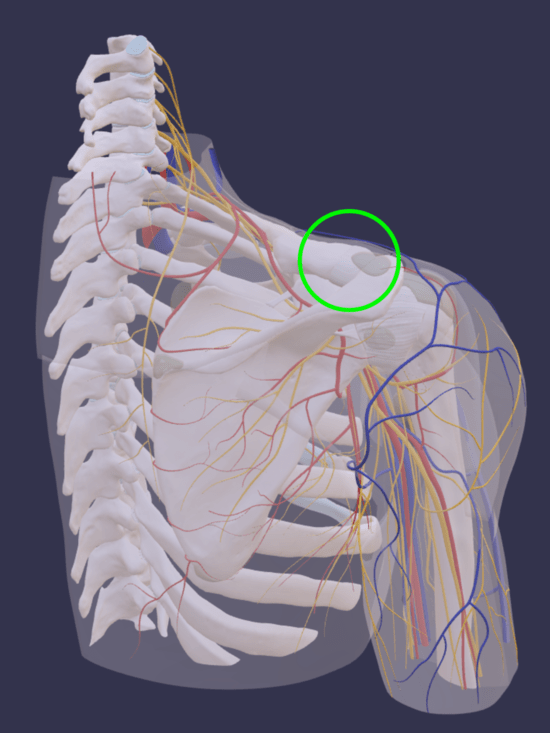
Good: Straps over the AC joint and off soft tissue
Hip Belt
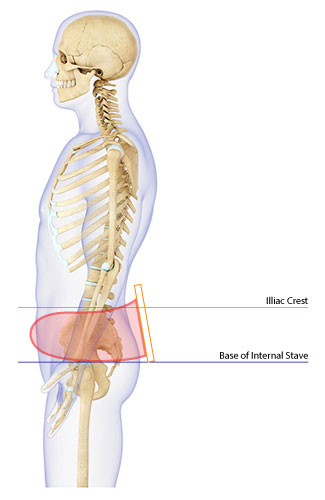
A poorly fitting hip belt causes the same problems as poorly fitted straps: soreness and bruising. If the belt is too thin or doesn’t match your hip anatomy, it can’t carry the pack’s weight properly. If it sits too high or too low, it puts pressure on soft, easily bruised tissue.
A hip belt needs to sit over the iliac crest, the sturdy, hard ridge of the hip bone that can actually handle the pressure of a heavier pack. It also needs to be wide enough not to dig in, and shaped to match your body. Getting that shape right is, I think, the hardest part.
Note on motion sensitivity: The video below addresses hip belt placement on larger bodies, but the visuals are quite choppy. Skip it if you’re sensitive to motion.
For larger bodies where placing the hip belt at the iliac crest doesn’t work well, it can be fitted around the narrowest part of the waist instead. However, this does increase the risk of pain, bruising, and tissue damage.
Conclusion
So in summary, if I’m going to make a pack, I want it to fit well, because I want to avoid:
- Bruising because I’m on anticoagulants and bruise more easily
- Soreness and pain because I’m unable to take NSAIDs (again, due to anticoagulants), which would be the best way to deal with that pain
- Vein compression (e.g., thoracic outlet syndrome) because even though I’m on anticoagulants, I have no interest in tempting fate and potentially giving myself another blood clot
I recently learned that I have several very old chronic clots. One in my right leg running from my knee to my ankle, and another in my left leg at mid-calf. I already knew I was at high risk for developing another clot, but this really seals the deal. I had already accepted that I’d be on anticoagulants for life given my father’s medical history, but yeah, I’m definitely never coming off them.
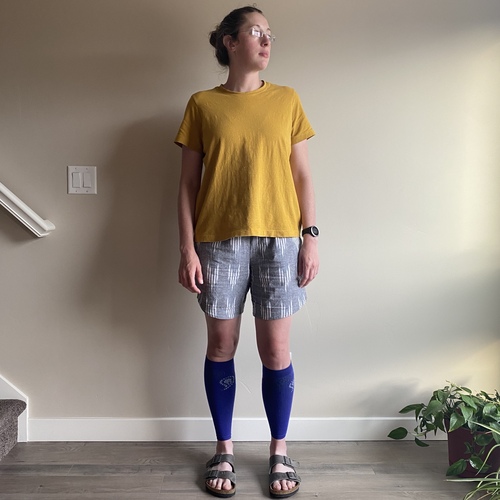
Because of the chronic clots, I’ve had to embrace the compression sock life. I sort of felt like an imposter wearing compression socks since 2016 just to deal with lower leg swelling, but no, it turns out I really do have lower leg swelling, and I’m not making up the pain and discomfort in my head.
Personal Aside
This project has taken up so much of my time that I really don’t have much else to say, other than: if you sew, you are amazing!

IF YOU FOUND THIS POST HELPFUL, CONSIDER SUPPORTING MY WORK BY SIGNING UP FOR A PAID SUBSCRIPTION.
POSTS OLDER THAN 3 MONTHS ARE NOW FOR SUBSCRIBERS ONLY — YOUR SUPPORT KEEPS THIS SPACE GOING.
INTERESTED IN SUBSCRIBING TO RECEIVE NEW POSTS IN YOUR INBOX?


I actually just finished 6 weeks of physical therapy because I was diagnosed with Thoracic Outlet Syndrome. It was two years of increasing neck pain and numb arms from the elbow down at night but the PT fixed it all! (My cause was years of hunched posture and really tight pec muscles.)
I hadn’t considered pack straps exacerbating it bc I usually am in my hip pack (we got out of the habit of long hikes when our senior kitty couldn’t be left alone for more than an hour or two) but I’ll have to keep it in mind as we increase our mileage now!
Gasp!! I’m glad PT fixed you right up. I’m surprised all the weight lifting you do didn’t help more. I think of you every time my personal trainer makes me do a deadlift. I’ve been secretly jealous of your lifting for years, and I’m excited that I’m finally able to be on this weight lifting journey as well.
ha, all the lifting was probably contributing to the tightness because I was NOT great at stretching or foam rolling. I’ve added yoga back in to my training and have to stretch every night now
I’m so excited you’re lifting! Being strong is the BEST