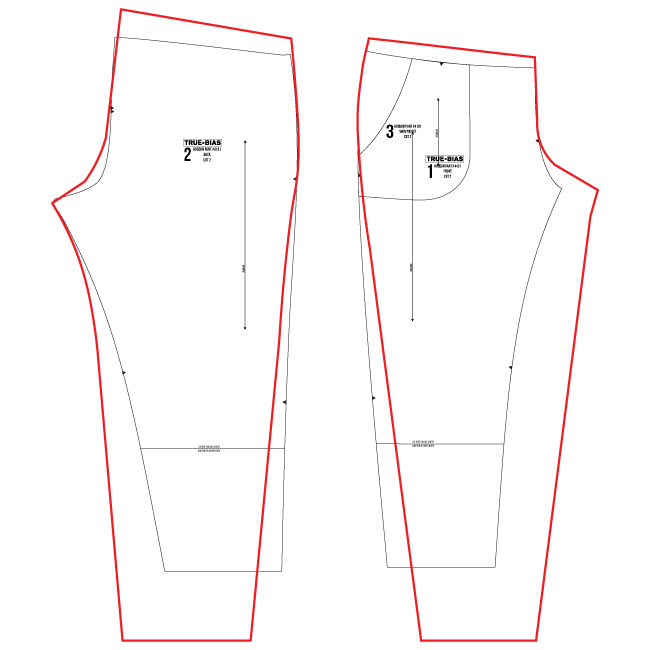
I keep coming back to this pattern because I spend most of my time in the winter wearing joggers. They’re warm and the bottoms don’t get wet in the snow. Given my recent blog about how to measure for pants, I thought I would do a comparison with some patterns now. I hope this will be informative!
For all measurements, refer to my blog post here.
Did I pick the right size?
For the pattern, I selected a size 14 based upon my measurements. My natural waist is 33 inches, and if I measure my hips at their widest point (not at the top of the crotch curves), I am 42 ½ inches. Size 14 is on the size chart is 34 ½ inches waist and 42 ½ inches for hips. Having more room in the waistband isn’t an issue, given this has an elastic waistband. Let’s break down the measurements to see if I’ve selected the right size.
Waist width

My front waist is 9 ½ to 10 inches. The pattern measures 10 ½ inches. That gives me at least a ½ inch of ease. These joggers are made out of knit fabric that is stretchy, so ease is not necessary, but for a more relaxed fit, this is perfect. Who wants tight sweatpants anyways?
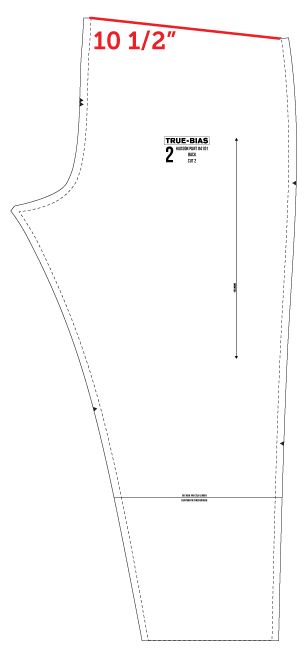
My back waist measurement is also 9 ½ to 10 inches so this waistband measurement is perfect all around. Pun intended.
Hip width
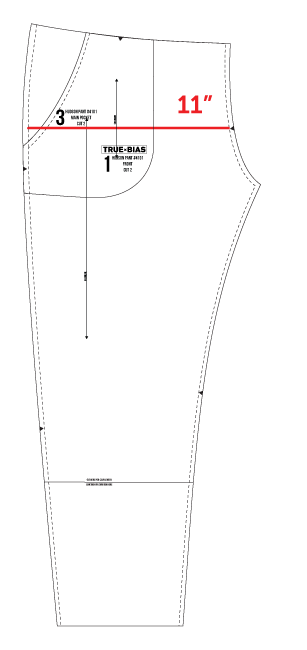
My front and back hip measurements are both 10 ½ inches. The pattern is 11 inches. This also gives me ½ inch of ease, which is good. Still on the right track. Track pants, maybe? I’ve gotta stop with the puns.
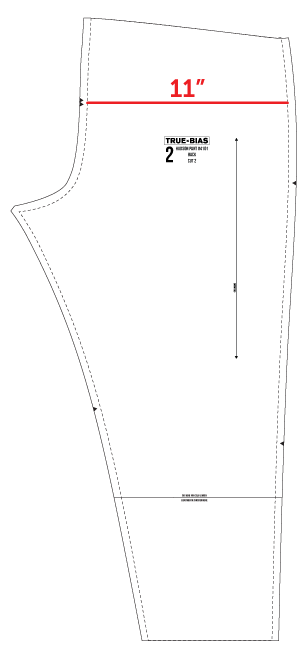
Crotch Width
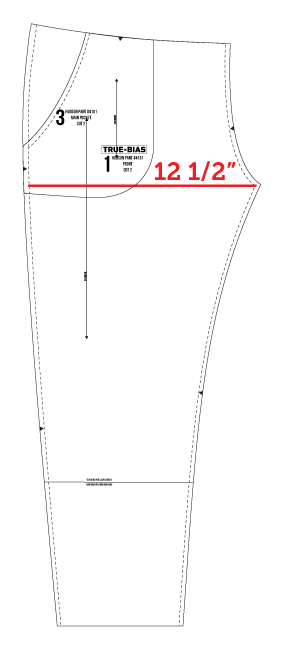
Let’s see if I can make this math clear. My crotch measurement is 13 ½ inches. I would need to add ½ inch of ease to the side seam and probably about ¼ inch of ease to the inseam. Add all that up, and I should have a crotch measurement of 14 ¼ inches. The pattern is only 12 ½ inches. Spoiler alert, I need to add 2 ¼ inches to the crotch hook length, so that would add to 14 ¾ inches, and that would give me slightly more width than I would need. I could then shave off a ½ inch from the side seam.
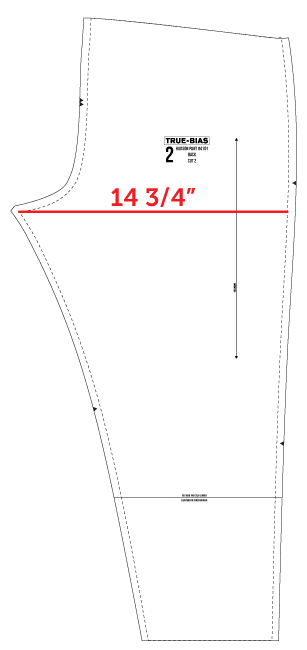
I need the same amount of room for my back crotch length, 14 ¼ inches. The pattern crotch measurement is 14 ¾ inches. I’ll discuss this in a moment, but I need to remove ½ inch from the back crotch curve length, so now my crotch width measurement is perfect, 14 ¼ inches.
Knee Width

My front knee is 8 inches. If I add a ½ inch of ease to the inseam and a ½ inch of ease to the side seam (remember you want the grainline to be balanced), then my front pattern piece needs to be at least 9 inches. The front knee only measures 8 ¾ inches, ¼ inches too narrow.

My back knee is also 8 inches, and with ease, the pattern needs to be 9 inches. The back pattern measures 9 ¾ inches at the knee, ¾ inches too much.
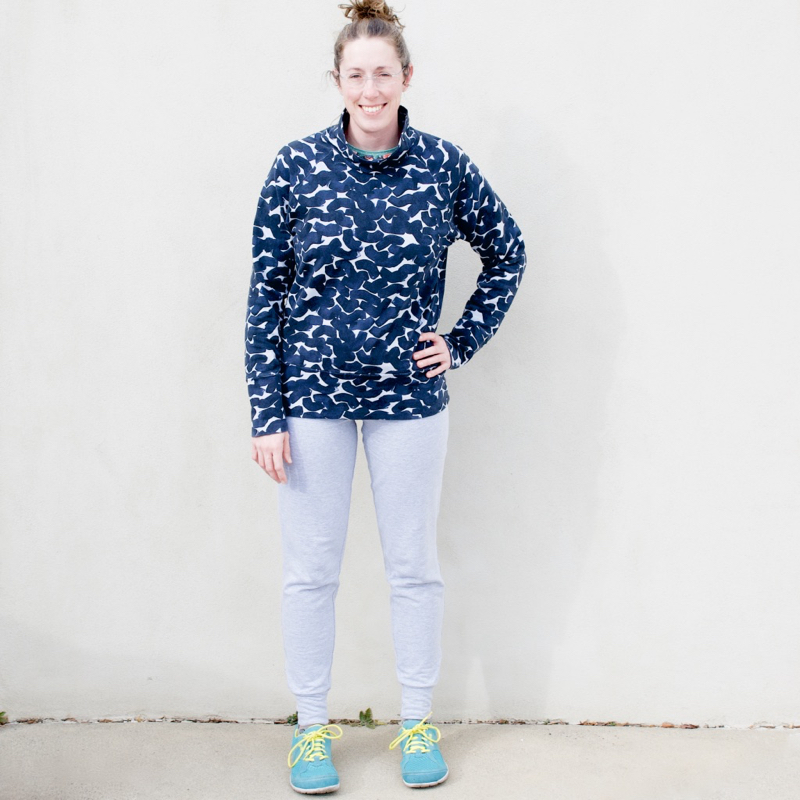
These joggers have been too tight across the front of my knee and too baggy in the back. In the photo below, you can see the horizontal lines across the knee of fabric straining to fit!
Does your pant leg twist?
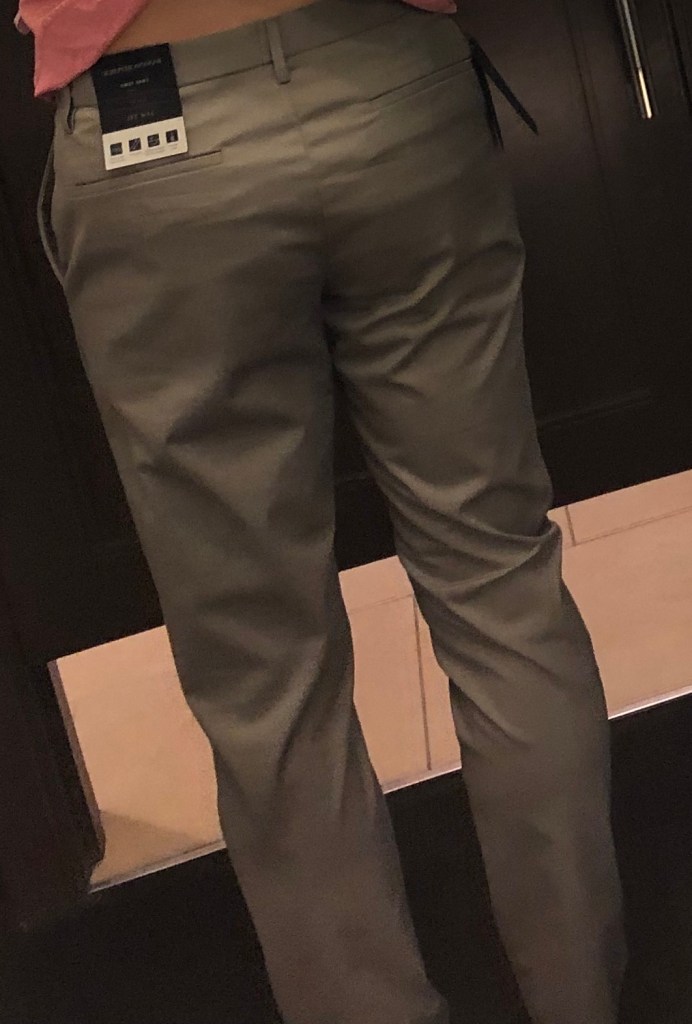
I have been studying the concept of balance on patterns. For pants, that means if I draw a line from the center of the ankle up to the knee, I should bisect the pant leg. If the pant isn’t bisected, then that portion of the leg is unbalanced, and the leg will end up twisting. Every version of the Hudson pants I’ve ever made, my pant leg twisted. In the photo above, you can see the twist beginning just below my knee. It’s subtle. I just never took a photo with my pant leg twisted. If you want to privately talk about this, I can share examples. Everyone has a twisted pant leg below their knee. Everyone!

Subscribe to continue reading
Become a paid subscriber to get access to the rest of this post and other exclusive content.
